
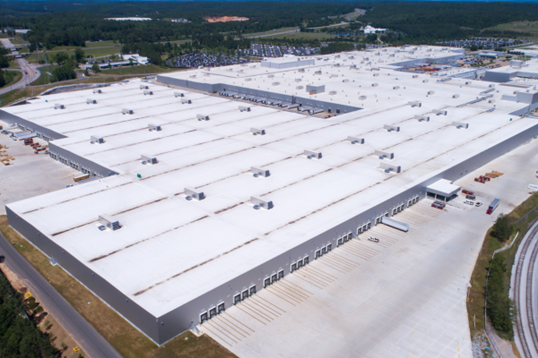
Thermoplastic polyolefin (TPO) roofing systems have become a popular choice for commercial buildings due to their durability, energy efficiency, and reflective properties. Yet even the best TPO roofs experience wear from UV exposure, temperature swings, and ponding water over time. Instead of replacing an aging membrane, applying high-quality roof coatings designed for TPO roofs can restore protection, improve performance, and extend the roof’s service life.
This article explores how roof coatings for TPO work, their benefits for property managers and contractors, and how KARNAK’s innovative solutions help extend the lifespan of weathered single-ply roofing systems.
Understanding Roof Coatings for TPO
Roof coatings for TPO are liquid-applied systems designed to protect and reinforce existing TPO membranes. When properly installed, they create a seamless, reflective surface that helps reduce energy use while improving resistance to water intrusion and UV damage.
A coating system typically includes two key layers:
1. Base Coat – Formulated specifically for adhesion to aged TPO roof membrane.
2. Finish Coat – Provides long-term weather protection, UV resistance, and reflectivity.
Together, these coatings rejuvenate the existing roof surface and restore its protective qualities without the cost and disruption of a full roof replacement.
Why Coating TPO Roofs is Important
Over time, TPO membranes lose flexibility and reflective properties due to constant exposure to sunlight and weather. Seams can loosen, and surface oxidation can reduce the roof’s ability to reflect heat. Applying a high-performance coating addresses these problems directly.
Key benefits include:
• Extended Roof Life: A properly applied coating can add 10 years or more to the roof’s lifespan.
• Energy Efficiency: Reflective coatings reduce surface temperature, helping lower cooling costs.
• Reduced Maintenance: Coatings help seal minor cracks and surface imperfections, reducing leaks and repairs.
• Sustainability: Recoating an existing roof minimizes landfill waste compared to tear-off and replacement.
The Importance of Surface Preparation
Surface preparation is critical before applying roof coatings to an aged TPO roof. The existing membrane must be thoroughly cleaned and free of dirt, oils, and contaminants that can interfere with adhesion. A properly prepared surface allows the base coat to form a strong chemical bond with the membrane, preventing peeling and blistering.
Weathered TPO membranes often require specialized base coatings designed to penetrate and adhere to aged surfaces. These formulations are what make modern coating systems so effective for roof restoration.
Choosing the Right Base Coat for TPO Roofs
The base coat serves as the foundation for any successful roof coating system. For weathered TPO, it must offer strong adhesion, flexibility, and resistance to blistering. This layer also helps block any oils or contaminants from migrating up through the coating system, maintaining long-term performance.
Acrylic elastomeric and silicone-compatible base coats are among the most reliable choices for coating over single-ply membranes like TPO, PVC, Hypalon, and EPDM. These coatings provide a stable foundation for a variety of finish coats while maintaining flexibility under temperature changes.
How Roof Coatings for TPO roofs Improve Performance
When applied correctly, these roof coatings provide several key performance improvements that make them a valuable investment for both property managers and contractors:
• Enhanced Weather Resistance: High-quality coatings protect against ponding water, wind uplift, and thermal expansion.
• Improved Reflectivity: A bright white finish increases solar reflectance, reducing heat absorption and helping buildings meet energy codes.
• Waterproofing Protection: Coatings form a seamless barrier that eliminates weak points common in seams and fasteners.
• Reduced Thermal Stress: By keeping the roof surface cooler, coatings reduce the expansion and contraction that can damage seams and joints.
Cost Savings Through Roof Restoration
Roof replacement can be expensive, especially for large commercial buildings. Roof coatings for TPO offer a cost-effective alternative that preserves the existing system while improving performance.
Property managers can expect significant savings in both labor and materials. A coating system requires less downtime than a full replacement and can often be completed without disrupting business operations. In many cases, coatings can be applied over the existing roof after proper cleaning, reducing the need for tear-offs and disposal costs.
KARNAK’s Solution for Weathered TPO Roofs
While many companies provide TPO roof coatings, KARNAK focuses on manufacturing advanced products that make these restoration systems possible. One of its most innovative solutions is 406 Tru-Grip, a 100% acrylic elastomeric co-polymer emulsion designed specifically as a base coat for weathered single-ply membranes.
When applied to a clean, weathered TPO, PVC, Hypalon, or EPDM roof, 406 Tru-Grip delivers:
• Superior adhesion to aged membranes
• Excellent blister resistance
• Compatibility with acrylic and silicone finish coats
• Bleed-blocking protection for modified bitumen membranes
After applying 406 Tru-Grip, contractors can complete the system using one of KARNAK’s durable finish coats, such as 505HS Mohave Coat, 501 Elasto-Brite, 529 Renu-White, or 670HS Karna-Sil Ultra. Together, these coatings restore reflectivity, extend membrane life, and improve weather resistance.
This combination allows property managers and roofing professionals to restore and protect existing single-ply membranes efficiently while maintaining a cost-effective maintenance plan.
Why Contractors and Property Managers Trust KARNAK
KARNAK has built its reputation on delivering dependable roof coating technologies that stand up to harsh conditions. The company’s research and testing focus on creating coatings that not only perform in the lab but also in the real-world challenges of commercial roofing.
For property managers, partnering with contractors who use KARNAK products means extending roof life, reducing energy costs, and minimizing future repairs. For contractors, it means applying proven products designed for reliable adhesion and consistent performance.
Extending the Life of TPO Roofs with KARNAK
TPO roofs remain a leading choice for commercial facilities due to their energy efficiency and cost-effectiveness. Yet even the most durable membranes will eventually need attention. Instead of investing in a full replacement, TPO roof coatings offer a practical, sustainable way to restore performance and extend roof life.
With products like 406 Tru-Grip and complementary finish coats including 505HS Mohave Coat, 501 Elasto-Brite, 529 Renu-White, and 670HS Karna-Sil Ultra, KARNAK provides the materials contractors need to rejuvenate weathered single-ply membranes and protect them for years to come.
Contact KARNAK today to learn more about their advanced roof coating technologies and how they can help protect and extend the life of your commercial roofing systems.
FAQs: Roof Coatings for TPO
1. How long do coatings for TPO last?
When properly applied and maintained, high-quality roof coatings for TPO can extend the life of an existing roof by 10 years or more. Longevity depends on factors like surface preparation, coating thickness, and environmental conditions. Periodic inspections and cleaning help maintain coating performance and ensure the system continues to protect the roof membrane.
2. Can these roof coatings stop leaks?
In some cases, roof coatings can help seal minor hairline cracks, and minor surface defects that can lead to leaks. However, coatings are not a substitute for proper repairs. Any damaged areas should be properly repaired utilizing an elastomeric roof sealant suitable for TPO before coating application to achieve a watertight finish that performs as intended.
3. Do roof coatings for TPO roofs help improve energy efficiency?
Absolutely. Reflective coatings reduce surface temperatures by reflecting UV rays and heat away from the roof. This can help lower interior cooling costs and reduce strain on HVAC systems during warmer months. The U.S. Department of Energy notes that reflective coatings can make a significant difference in building energy use, particularly in warm climates.


