
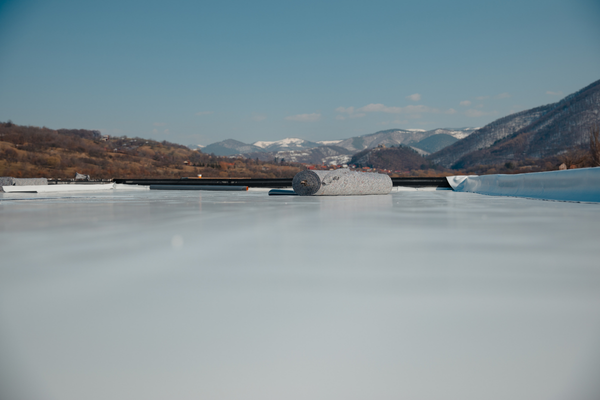
A PVC roofing membrane is known for its durability, weather resistance, and long service life, making it one of the most common roofing systems used on commercial buildings. While these membranes are designed to withstand years of exposure to the elements, no roofing system is immune to damage. Constant UV exposure, severe storms, temperature swings, ponding water, and everyday rooftop traffic all take a toll over time.
For commercial property owners, facility managers, and roofing contractors, understanding how harsh climates affect a PVC roofing membrane is the first step toward preventing costly repairs and extending the life of the roof. In many cases, identifying problems early and addressing them with the proper repair or restoration products can delay the need for a complete roof replacement.
How Harsh Climates Affect PVC Roof Membranes
Commercial roofs are exposed to weather every day of the year. While a PVC roofing membrane is engineered to resist many environmental conditions, years of exposure can gradually reduce its performance.
Some of the most common environmental factors include:
• Intense UV radiation that accelerates weathering.
• High temperatures that cause repeated expansion and contraction.
• Freeze-thaw cycles that place stress on seams, flashing, and roof penetrations.
• Heavy rain that exposes drainage issues and allows ponding water to develop.
• High winds that can stress flashing and perimeter details.
• Hail that may puncture or weaken portions of the membrane.
• Snow and ice that increase roof loading and expose existing vulnerabilities.
These conditions rarely cause a roof to fail overnight. Instead, they slowly wear down the roofing system, making routine inspections and preventative maintenance essential.
Common Signs a PVC Roofing Membrane Needs Repair
One advantage of a PVC roofing membrane is that damage is often repairable when discovered early. Small problems can usually be corrected before moisture reaches the insulation or structural deck.
Property owners and roofing contractors should look for warning signs such as:
Open or Weakening Seams
Heat welded seams are one of the strongest features of a PVC roofing membrane. Over time, weather exposure, installation deficiencies, or building movement can weaken certain areas, allowing water to enter the roofing assembly.
Punctures and Tears
Service technicians accessing rooftop HVAC and other equipment, dropped tools, storm debris, and hail can all damage the membrane surface. Even small punctures can eventually lead to water infiltration if left unaddressed.
Damaged Flashing
Roof penetrations, curbs, drains, and parapet walls are common locations for leaks. Flashing should be inspected regularly for cracks, separation, or deterioration.
Standing Water
While a PVC roofing membrane generally performs well under wet conditions, long-term ponding water may indicate drainage problems that should be corrected before they contribute to premature roof deterioration.
Interior Water Stains
Water stains on ceilings or walls often indicate that moisture has already entered the roofing system. A professional roof inspection can help determine whether the leak originates from damaged membrane seams, flashing, or another component.
Why Early Repairs Matter for Your Roof
Many commercial roof failures begin as relatively minor issues. A small seam separation or puncture may not immediately produce a noticeable leak, but moisture can gradually migrate beneath the membrane.
Once water reaches the insulation, several additional problems may develop, including:
• Reduced insulation performance
• Higher heating and cooling costs
• Mold or mildew growth
• Corrosion of metal roof components
• Interior damage to ceilings, equipment, or inventory
• More extensive repair costs
Addressing problems early while they remain localized is always far less expensive and disruptive than replacing large sections of the roofing system after moisture has penetrated and spread.
Can a PVC Roofing Membrane Be Restored Instead of Replaced?
Many building owners assume roof leaks automatically mean roof replacement. In reality, that is not always the case.
If the existing PVC roofing membrane remains structurally sound, repair and restoration may provide a practical way to extend its service life while reducing disruption and replacement costs.
Every roof should be evaluated at least twice a year and after major weather events by an experienced roofing professional. The inspection should assess:
• Overall membrane condition
• Seam integrity
• Moisture within the insulation
• Flashing condition
• Roof drainage
• Previous repairs
• Remaining service life
If the roof conditions dictate a need, localized repairs combined with a compatible restoration system will help improve weather resistance and delay replacement for several additional years.
How Roof Coatings Can Help Extend PVC Membrane Performance
After necessary repairs have been completed, compatible roof coating systems can play an important role in protecting an aging PVC roofing membrane.
Roof coatings are not intended to cover major structural problems or replace damaged roofing assemblies. Instead, they are designed to help preserve and prolong the life of roofing systems that remain good candidates for repair and restoration.
Depending on the roof's condition and the selected system, roof coatings and sealants may provide benefits such as:
• Leak elimination
• Additional protection from UV exposure
• Improved weather resistance
• Protection of repaired areas
• Reduced ongoing membrane deterioration
• Extended roof service life
• Lower long-term lifecycle costs
Using roof coating products specifically designed for roof restoration helps maximize compatibility and long-term performance.
Routine Maintenance Protects Your PVC Roofing Membrane Investment
One of the most effective ways to maximize the life of a PVC roofing membrane is through routine maintenance.
Commercial roofs should be inspected at least twice each year and after major weather events. Contractors should also inspect roofs before and after equipment replacement or after performing rooftop work that could accidentally damage the membrane.
A preventative maintenance program should include:
• Inspecting seams, flashing and membrane surface
• Cleaning drains and scuppers
• Removing debris
• Repairing punctures promptly
• Evaluating ponding water areas
• Documenting roof conditions over time
These routine inspections often identify developing issues before they become major repairs.
Choosing the Right Restoration Products Matters
Not every repair product or roof coating is appropriate for every roofing system. Product compatibility, application methods, surface preparation, and environmental conditions all affect long-term performance.
Work with manufacturers that offer a variety of coating options, specializes in commercial roofing restoration and gives contractors access to proven repair and coating solutions. These solutions are designed to support aging roofing systems. Following manufacturer recommendations helps improve installation quality and overall system performance.
Protect Your PVC Roofing Membrane With KARNAK
A PVC roofing membrane is built to withstand demanding conditions, but years of exposure to harsh weather can eventually lead to seam separation, punctures, flashing deterioration, and other forms of wear. The good news is that many of these issues can be addressed before they require a full roof replacement.
Whether you're maintaining a commercial property or planning repairs for a customer, KARNAK offers a variety of high-performance roof repair and restoration products designed to help extend the life of commercial roofing systems. Contact KARNAK today to learn more about compatible repair and coating solutions that help keep your PVC roofing membrane performing at its best for years to come.
FAQ
How often should a commercial PVC roof be inspected?
Most commercial roofs should be professionally inspected at least twice a year, typically in the spring and fall, as well as after severe storms. Regular inspections can identify small issues before they develop into costly repairs.
Can roof coatings be applied to every aging commercial roof?
No. A roof must first be evaluated to determine whether it is a good candidate for restoration. Factors such as moisture intrusion, membrane condition, and structural integrity all influence whether a coating system is appropriate. If a coating system is a suitable option, the right coating solution must be specified.
What causes commercial roofs to wear out faster than expected?
Severe weather, prolonged UV exposure, ponding water, poor drainage, rooftop foot traffic, and deferred maintenance can all shorten the life of a commercial roof. Routine maintenance and timely repairs help maximize its service life.


