
Commercial flat roofs face years of exposure to sunlight, temperature changes, rain, and other weather conditions. Over time, roofing materials can develop cracks, lose flexibility, and show signs of surface deterioration. For property managers and building owners, these issues often raise an expensive question: Does the roof need to be replaced, or can it be restored?
A liquid rubber roof coating may provide a practical alternative to replacement when the existing roof remains in suitable condition. These coatings can help protect aging roofing materials while addressing common concerns such as thermal movement and solar heat absorption.
KARNAK manufactures a range of commercial roof coatings, including aluminum, acrylic, and thermoplastic formulations with different rubber content and performance characteristics. Understanding these differences can help roofing contractors select the right product for each application.
What Is a Liquid Rubber Roof Coating?
A liquid rubber roof coating is a fluid-applied material that contains rubber or rubber-based polymers to improve flexibility and other performance characteristics. Once applied and cured, it forms a protective layer over the existing roofing surface.
Unlike sheet roofing materials, liquid-applied coatings conform to the roof's shape, including transitions, penetrations, and other detailed areas.
The amount and type of rubber used varies by formulation. Some coatings contain higher levels of rubber modification to improve their ability to stretch, while others use different combinations of polymers, pigments, and protective ingredients.
This distinction is important because liquid rubber roof coating is a broad term rather than a single type of roofing product. Contractors must consider the coating's complete formulation, approved applications, and performance requirements before making a selection.
Key Benefits of Liquid Rubber Roof Coating for Aging Roofs
An aging commercial roof may remain structurally sound even after its exposed surface begins showing signs of wear. In these situations, a properly selected coating can help address deterioration before more extensive work becomes necessary.
Flexibility and Crack Resistance
Commercial roofing materials expand and contract as temperatures change. Over time, this movement can contribute to cracking, particularly around seams, penetrations, and areas where materials meet.
Rubber-modified coatings are formulated to accommodate movement within their rated limits. Certain products can also bridge minor surface cracks, helping the coating remain intact as the underlying roof expands or contracts.
This characteristic can be particularly useful on older roofing systems that have become less flexible with age.
However, coatings cannot correct significant structural movement, open seams, or extensive roofing damage. These conditions must be evaluated and repaired before application.
Solar Reflectivity and Energy Efficiency
Many commercial roof coatings contain reflective pigments that reduce the amount of solar energy absorbed by the roof. According to the U.S. Department of Energy, reflective roofing materials can help reduce building cooling demands by reflecting solar heat rather than absorbing it.
Dark roofing surfaces can become extremely hot during sunny weather, increasing heat transfer into the building. Reflective aluminum and other light-colored coatings can help lower surface temperatures and potentially reduce cooling demands.
For commercial property managers, this can be especially valuable on large buildings with extensive roof areas.
Actual energy savings depend on factors such as insulation, climate, HVAC efficiency, and the coating's tested solar reflectance. Rubber content contributes to flexibility, while pigments and surface characteristics determine reflectivity.
Protection Against Surface Deterioration
Roof coatings create a protective layer over compatible roofing materials, helping limit continued exposure to environmental conditions.
For buildings with serviceable roofing systems, this can delay the need for more extensive restoration or replacement work.
The results depend on the condition of the existing roof, proper surface preparation, and correct application.
How Rubber Content Affects Roof Coating Performance
Not all rubber-modified coatings perform the same way. The type and amount of rubber incorporated into a formulation can influence its elongation, flexibility, and ability to accommodate movement.
KARNAK manufactures aluminum, acrylic, thermoplastic, and other coating technologies with different material compositions.
A higher rubber content may provide greater flexibility in certain formulations, but that doesn't automatically make the product suitable for every roof.
Other factors, including adhesion, substrate compatibility, weather resistance, and application requirements, are equally important.
For example, a rubberized aluminum coating developed for compatible asphalt-based roofing may have different performance characteristics than an acrylic coating intended for another application.
Contractors should compare technical data sheets rather than relying on rubber content as the primary measure of product quality.
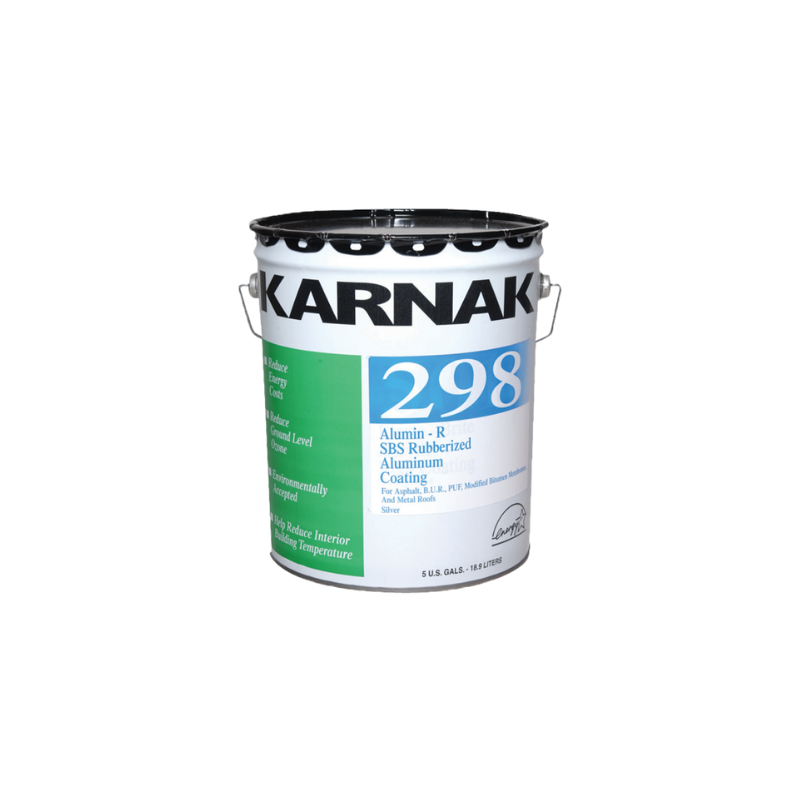
KARNAK 298 Alumin-R: A Premium Rubberized Aluminum Coating
KARNAK 298 Alumin-R is a premium rubberized aluminum roof coating that combines rubber modification with reflective aluminum pigments.
Its formulation is intended to provide flexibility while helping reduce solar heat absorption on compatible roofing surfaces.
This makes it a product worth considering for aging commercial roofs where movement and exposure to sunlight are important concerns.
KARNAK 298 Alumin-R also illustrates why two coatings with similar appearances may perform differently. Rubber content, polymer composition, and other formulation characteristics can affect how a product responds to service conditions.
Contractors should consult the current KARNAK technical data sheet for approved substrates, preparation requirements, coverage rates, and application instructions.
When Should You Consider Liquid Rubber Roof Coating?
Roof restoration is most practical when the existing roofing assembly remains in serviceable condition. Before recommending a coating, contractors should inspect the roof and determine whether its problems are limited to repairable areas.
Aging Roofs With Surface Cracks
Small cracks and signs of weathering may indicate that a roof is beginning to deteriorate.
If these defects are superficial and the underlying roofing materials remain sound, a compatible coating system may be appropriate after necessary repairs.
Contractors should investigate deeper cracks or recurring damage before proceeding.
Roofs With Worn Reflective Finishes
Existing aluminum-coated roofs may gradually lose reflectivity as their surfaces weather.
In some cases, recoating can restore the reflective finish without removing the underlying roofing materials.
The original coating's condition and compatibility with the new product must be confirmed first.
Roofs With Isolated, Repairable Damage
A roof with limited damage may still be a candidate for restoration if the substrate and insulation remain in acceptable condition.
However, widespread moisture intrusion, saturated insulation, severe deterioration, or major structural problems can make replacement necessary.
Applying a coating over these conditions may conceal damage rather than resolve it.
What Contractors Should Evaluate Before Coating an Aging Flat Roof
The success of a liquid rubber roof coating project depends heavily on the condition of the existing roof and the preparation completed before application.
Existing Roof Materials and Compatibility
Built-up roofing, modified bitumen, metal, and single-ply membranes have different surface characteristics.
A coating approved for one substrate may not be appropriate for another. Contractors should verify compatibility through manufacturer specifications and complete adhesion testing when required.
Existing coatings must also be identified because incompatible materials can interfere with adhesion.
Surface Preparation and Repairs
Proper preparation typically involves removing dirt, debris, loose materials, and other contaminants that could affect bonding.
Open seams, damaged flashing, and existing leaks should be repaired before coating application.
The roof must also meet the manufacturer's moisture and surface condition requirements.
Skipping these steps can lead to premature coating failure, even when a high-quality product is used.
Drainage and Ponding Water
Flat roofs are designed with a slight slope, but older buildings sometimes develop low areas where water collects.
Not every coating is suitable for prolonged ponding-water exposure. Contractors should inspect drainage conditions and determine if repairs or improvements are needed.
A coating should never be used as a substitute for correcting significant drainage problems.
Application Conditions and Coverage
Temperature, humidity, substrate conditions, and application thickness can all affect coating performance.
Contractors should follow KARNAK's published requirements for the selected product, including recommended coverage rates and drying times.
Applying too little material may reduce protection, while excessive application can interfere with proper curing.
Choosing the Right KARNAK Coating for Your Commercial Roof
Selecting a coating requires more than identifying a product with rubber in its formulation.
Contractors should consider the existing roofing material, roof condition, environmental exposure, and specific performance requirements.
For example, an aging asphalt-based roof may benefit from a rubberized aluminum product such as KARNAK 298 Alumin-R, provided the substrate and application conditions meet the manufacturer's specifications.
Other projects may call for acrylic, thermoplastic, or different coating technologies based on the roof system and project requirements.
KARNAK's product range gives roofing professionals several options for addressing different commercial roofing conditions.
Reviewing current technical data sheets and discussing project requirements with the manufacturer can help contractors make informed product selections.
Restore Aging Commercial Roofs With KARNAK
An aging flat roof doesn't always require a complete replacement. When the existing roofing system remains sound, a liquid rubber roof coating may offer a cost-effective restoration option.
KARNAK manufactures commercial roof coatings for a range of roofing applications, including premium rubber-modified products such as 298 Alumin-R.
For roofing contractors, property managers, and building owners, the first step is determining which coating system is compatible with the roof and its current condition.
Explore KARNAK's commercial roof coating products or contact the KARNAK team to discuss the right solution for your next roof restoration project.
FAQ
Can rubberized roof coatings accommodate new cracks after application?
Rubber-modified coatings can stretch to accommodate minor movement and bridge small cracks that develop after application, depending on their elongation properties. Larger cracks or structural movement may exceed the coating's capabilities and require repairs.
Does a higher rubber content mean better roof coating performance?
Higher rubber content can improve flexibility and crack resistance, but it doesn't automatically make a coating more effective. Substrate compatibility, reflectivity, adhesion, and environmental conditions also influence performance.
How can contractors determine if an aging flat roof is suitable for coating?
Contractors should inspect the roof for trapped moisture, damaged insulation, adhesion issues, and widespread deterioration. Roofs with sound substrates and repairable surface defects are generally better candidates for coating than those with extensive underlying damage.


